I’m Stepping Back From Coaching

It’s the right decision for now

I’ve been a volunteer coach with the Sports Backers Marathon Training Team for 5 years. That’s 6 months of each year dedicated to helping my Richmond running community meet their running goals.

2022 was a tough year for my family. 2023 wasn’t much better. And for my mental health, I need to take time and space for myself so that I can be more dedicated to my recovery and my family.

This was a tough decision that I did not take lightly. I could make arguments both for continuing and stepping back. But in the end, I realize that I can’t pour from an empty cup. 

Following the shooting, my life simply hasn’t been the same. I lost my entire fall season to rehab. I still suffer from frequent headaches due to significant hypertensive episodes. I am on three new medications to manage my blood pressure and to help me sleep. My nights are still plagued by insomnia and nightmares without the sleep aid. 
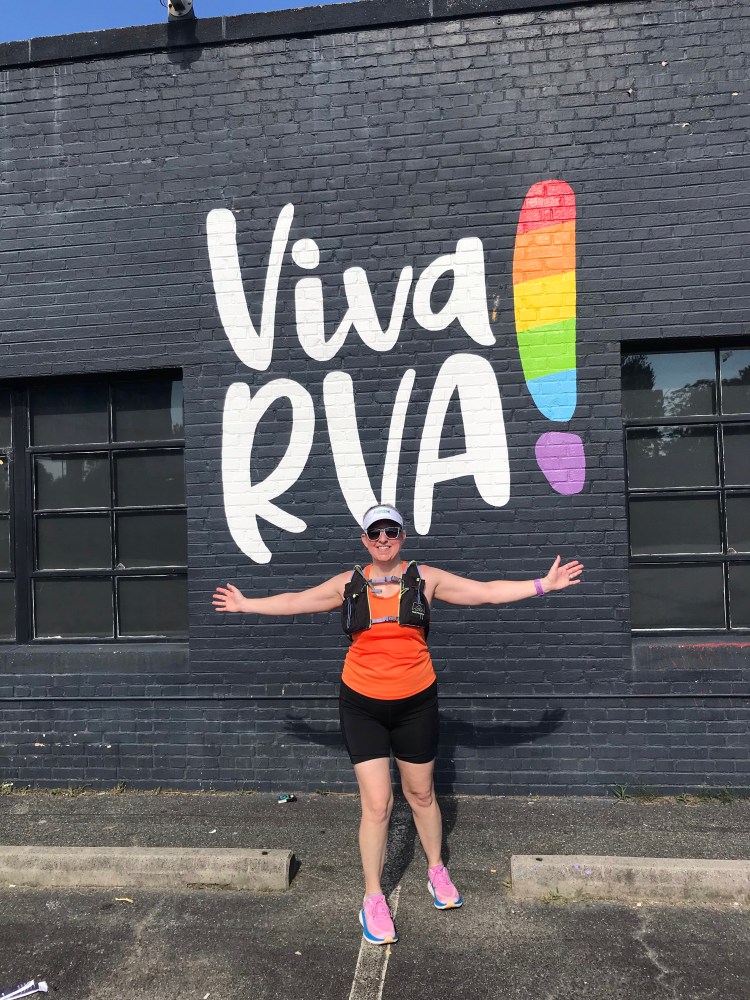
In happier times last season. Taken at Diversity Thrift on a training team run, wearing my coach’s singlet. Photo courtesy of Amy W.

I have no reason for my new diagnosis of hypertension except for anxiety. And while I may not outwardly feel anxious, my body says otherwise. I am not obese. I am a marathon runner. My cholesterol is 160. I’m vegan. My resting heart rate is 51. My heart rate alone makes my blood pressure difficult to control, as an entire class of drugs has to be eliminated from the choices to manage this (beta blockers). 

My blood pressure and the side effects of all of my new medications have kept me from running lately. My body is still trying to adjust. 

It’s frustrating because I relied on exercise so much to manage stress, and now it seems it’s not an option. Not only is it suddenly physically challenging, but I’m also trying to figure out how harmful my running habit is, as my therapists tried to convince me that running is a process addiction for me. Maybe they just don’t understand the mentality of a marathon runner. 

The fact is that post-rehab, I’m tired all of the time. 

On days that I work, I come home and take at least an hour-long nap. Some days, that nap is more like 3 hours. Granted, as a hospital-based physical therapist, my job is physically, mentally, and emotionally challenging. By the end of my work day and despite medication, my blood pressure will creep up to dangerous levels due to all of the demands on my body. I may have to help transfer a dependent patient by using my muscle power to lift them out of bed. I also have to be focused enough to make good clinical decisions as well as provide emotional support to those I serve. 

I used to have space for all of these demands, plus running and taking care of my family. Those days seem over now. I’m grieving this loss that wasn’t my choice. It was imposed upon me.

I used to take pride in my mental toughness. Despite all of my childhood trauma, I managed to have a pretty successful life. I graduated college magna cum laude. I went on to my top choice for PT school, passing my boards on the first attempt. I got married. I have two amazing daughters. I am a 10-time marathon finisher and ultrarunner. And I am heavily involved in my Richmond running community.

But the shooting broke me. It’s hard to admit, but it has. I’m not the same person I was before the event. 

It doesn’t help that I can’t escape the scene of the crime. I think that was the most valuable part of going to inpatient treatment following the acute trauma; that I could escape the place where it happened. But now that I’m back, I’m struggling more than I anticipated. 
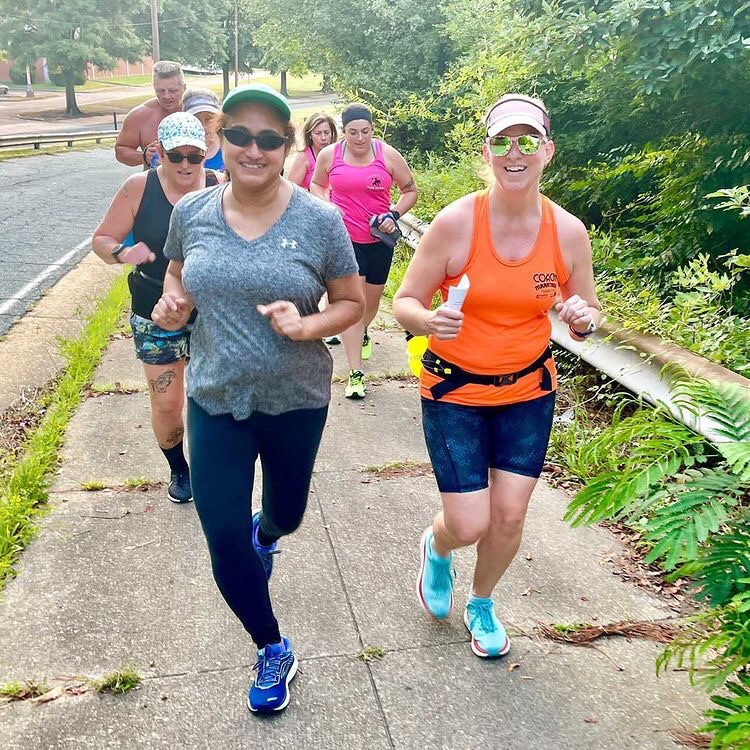
Running with my team in 2019. Photo courtesy of Bill Draper.

It’s not as simple as moving. My husband and I built this house as our forever home. We built on his parents’ land, and we live next door to them. We need to stay here to help care for my mother-in-law. 

I love my home, but there is a part of me that will never fully feel safe here again. And that is sad and challenging for me. 

The financial burden of treatment, transportation to get there, and loss of my salary are significant. We also had difficulty finding a lawyer willing to take my case to recover financially because I didn’t suffer a physical injury. 

Some days, I wish the bullet had struck me. The damage would have been easier to prove and for others to understand. 

With all of the progress we seem to have made as a society in reducing the stigma attached to mental health issues, the line gets drawn here. Legally, it seems that it is still some kind of moral failure on my part that my brain couldn’t handle the stress of feeling like it was being hunted. 

And while the 21-year-old men who are responsible for the damage to our home and mental health got by with merely a slap on the wrist, my life, and the lives of my family, are irreparably harmed. 

Giving up coaching is one of the toughest choices I have made, as it was so much a part of my identity. I will be grieving this loss for a while. 

___________

The lead photo shows my fellow coaches and me at the finish line of the Richmond Marathon in 2021. Photo from author’s archives.

As always, I hope you all are safe and healthy. 

Is Racism the Real Reason The U.S. Doesn’t Have Universal Healthcare?

Well, of course, it is.

I recently began following a content creator who goes by Auntie Bev on Instagram (@beverlymahone). Although she is known for her educational videos to expand your vocabulary, she has devoted much of her content in February to sharing little-known facts about Black history. I’m enjoying it.

One of her recent reels discussed universal healthcare. Did you know that this possibility was first discussed over 100 years ago? The plan was rejected because those in power didn’t want Blacks included. 

I bit and decided to do my own research, taking a deep dive down this rabbit hole. 

Fredrick Ludwig Hoffman, a German statistician who failed multiple times at earning a college degree, was a huge influence in this decision per Auntie Bev. He brought his racist ideologies with him when he immigrated to America, including eugenics. He concluded that if Blacks didn’t have access to healthcare, they would die off in a few generations, equating to a slow genocide. His book The Race Traits and Tendencies of the American Negro, published in 1896, was the basis for many of the discriminatory practices of the insurance industry, including charging more to Blacks for life insurance and paying a percentage of coverage first under Medicare. 

So, we can thank a non-American, white, male statistician for the foundation of systemic racism in the healthcare and insurance industries. Mr. Hoffman sounds like a really great guy (note my sarcasm). Consider my mind blown. Because, of course, it was a white male immigrant who shaped these policies. 

Now, let’s contemplate the what-ifs. 

If we had established a national healthcare system over a century ago, the insurance industry wouldn’t be the behemoth powerhouse it is today. As it is, insurance companies help dictate how we practice medicine in the U.S. I live this as a healthcare provider myself. But with their lobbyists funded as well as they are, insurance companies can contribute money to the campaigns of modern politicians and buy their support. 

How is it possible for companies to buy off politicians? Well, we can thank the Supreme Court’s decision regarding Citizens United, deeming political contributions by corporations an avenue of free speech. This has led to the creation of Super PACs that can be used to funnel dark money into campaigns, increasing the power of the wealthy and corporations exponentially. 

What if we did have a national healthcare system in the U.S.? 

Would it open up possibilities for entrepreneurship if healthcare coverage wasn’t so closely associated with employment with corporations? 

Would we do a better job with preventive care if it didn’t cost so much money to see a doctor? 

Would our maternal mortality rates be lower if everyone had access to quality pre-natal and post-natal care? (The U.S. is the leader of the Western world in maternal mortality.)

What would our financial status look like if we didn’t spend as much as our rent each month on health insurance?

What if getting cancer didn’t mean likely bankruptcy? 

What if we weren’t being told by hospitals to open GoFundMe campaigns to pay our medical bills? (Yes, this is actually a tactic patient advocates are teaching patients now. And that’s just sad.)

My inquiring mind wants to know. 

Obviously, the issues impeding a shift to a national healthcare system involve multiple variables, as our system is vastly more complex than it was 100 years ago, with numerous players invested in profiting off of our care. But to understand that the original reason to prevent a national system was based on racist ideologies is absolutely disgusting. But also, expectedly American. Sigh.

___________

Thank you to Auntie Bev for the enlightenment. She also reveals multiple inventions generated by Black Americans for which white people took credit. Please give her a follow on Instagram!

What are your thoughts about this? I’d love to hear about them!

As always, I hope you all are safe and healthy. 

Let’s Talk About Gossip

How did it become evil?

Is talking about gossiping, in fact, gossiping?

And when did sharing information become such an evil act or character flaw?

It’s an interesting phenomenon and has deep roots in patriarchal thinking. Yes, leave it to men to try to take away the power of women. Sharing information is just that: power. Learning information helps us make better choices and navigate the world more easily. So why would men want to squelch this?

It’s pretty simple. If we get together and chat about the men, we will likely expose all of the bad things they do to us, making us tougher targets to usurp. Furthermore, sharing information about those more powerful than us can make it easier for us to gain power ourselves. 

Do you see where this is going?

As early as the 1500s, the act of women talking to other women became a thing of suspicion, immorality, and suspected witchcraft. There was even a special muzzle called a scold’s bridle that was a form of punishment for women who engage in idle talk. 

I mean, are you kidding me? A muzzle? With spikes to keep you from opening your mouth and speaking? This makes me think of The Handmaid’s Tale and the muzzles depicted in that Hulu series. It makes me shudder to think of it. 

This makes it sound like it’s only women who engage in this seemingly egregious behavior, but research shows that gossip is an equal gender opportunity. Men, however, call their idle talk “serious conversation” at best, and “locker room talk” at worst, but all of their forms of gossip are deemed more appropriate than discussion among women. 

When gossip is used as a vehicle for spreading lies about someone, as in bullying, this is, of course, a bad thing.

But gossip can also be a tool for warning others about potential harm, including by men or in the workplace. It’s no wonder that employers frown upon the practice. 

What would your boss do if everyone found out that John makes more money than Susan, even though they have similar resumes and work experience? White women make 82 cents on the dollar for what men make in similar jobs

Who benefits from silencing our voices? Those with power or who wish to do us harm. 

In this time of major backlash against women, especially now that in the U.S. the bodily autonomy of women is no longer guaranteed, it’s high time we learn the truth about what we were taught about gossip. 

It’s as if the fear of almost having a female President shook the patriarchy so much that the reflex was to strip women of all of their rights. It starts with our wombs. There has always been a way to quiet feminine voices, either by law, religion, or societal shaming. But it begins with our bodies. 

Language is the very foundation of civilization. We must be able to freely share information that is fair and truthful without retaliation, or society will never make progress. Squelching the power of women to do so by shaming us into believing that gossip is sinful is just wrong. 

So, ladies, speak up! Organize. Share information. Let’s take our power back!

___________

Did you know it was the patriarchy who developed the idea that gossip is bad? I’d love to hear your thoughts about the topic.

As always, I hope you all are safe and healthy.
Under Pressure

Battling my new diagnosis of hypertension

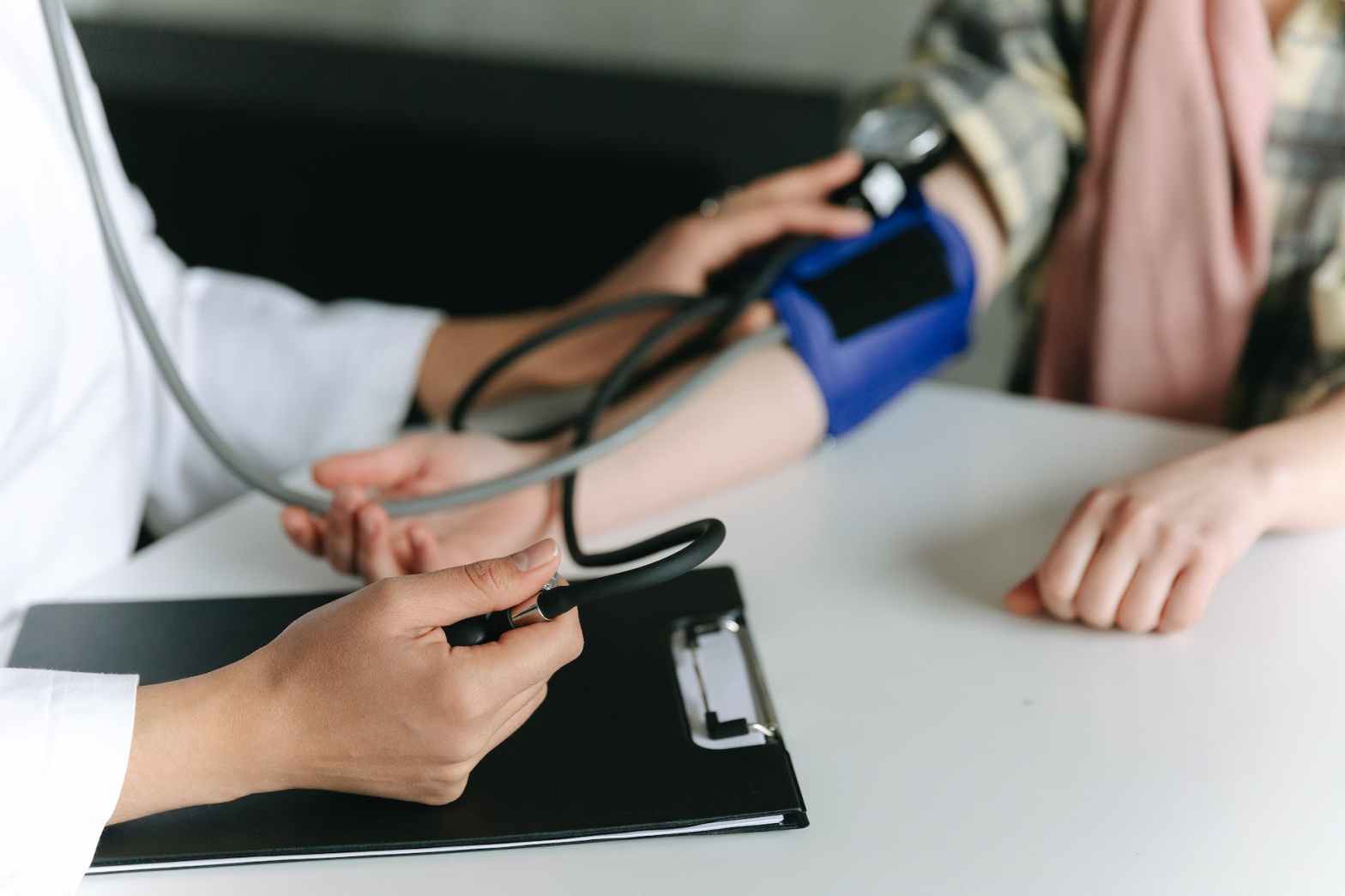
I just checked my blood pressure. It is 178/108. Yikes.

Yes, I forgot to take my meds this morning, so my little blue pill went down the hatch. No, not that little blue pill. Losartan.

This has been my life since the shooting. And as much as I hate taking meds AND knowing the cause of my sudden issues with hypertension is exactly what every woman hears whenever they have a problem and goes to the doctor, I don’t have much of a choice. How fun to fit our patriarchal healthcare system’s stereotype. 

Anxiety is a dangerous foe. And I really hate that it seems to be the reason why I’m dealing with blood pressure issues now. 

There is no other reason for this sudden roller coaster ride of my pressure going up and down other than anxiety. Until November, I was very active, working out 3-5 days a week, mostly by running. This means my resting heart rate is low at 51. My vegan diet makes my cholesterol low at 160. My lifestyle simply doesn’t support this new diagnosis. And it also makes finding a solution to the problem extremely challenging. 

A low resting heart rate eliminates an entire class of drugs to manage blood pressure, as beta-blockers lower your heart rate. 

My normal blood pressure is typically 120/70, which is great. The sudden spikes from anxiety don’t seem to have a specific trigger. But if my head begins to hurt, that’s my first clue that my pressure is rising. 

Maybe my anxiety is so bad because I had to return to living in the place where the shooting happened. I’m unable to escape reliving the trauma since it happened in my bedroom and on my side of the room. As much as I can rationalize this externally, my body screams something else.

I know that having dangerously high blood pressure puts me at risk of having a hemorrhagic stroke. With my cholesterol so low, it’s much less likely that I will have an ischemic stroke, which is the cause of 87% of cases of cerebrovascular accidents. Hemorrhagic strokes are usually more dangerous. 

I treat patients who have suffered strokes. I don’t want this to be my life. So, I take the meds. 

When my pressure is dangerously high, I have clonidine to keep me out of the emergency room. But it makes me feel drunk, so I’m done for the day once I take it, which is frustrating. 

Yes, I was instructed to go straight to the ER if I have both a severe headache and a significant spike in my blood pressure, which makes me feel as if I’m a ticking time bomb. But I’m a healthcare provider. There’s no way I will waste money on an ER visit if I can help it. 

On the opposite side of hypertension is hypotension, or low blood pressure. When I’ve taken my morning meds and am relatively unstressed, my BP swings low. This makes activities like bending over to put a leg rest on a wheelchair, something I do frequently at work, a dizzying task. 

I have an entirely new perspective on my patients who deal with unregulated blood pressure. When your body works to extremes to maintain homeostasis, it’s exhausted. I had some idea this is what my patients experienced, but now I actually know.

On the days when I work, I’m typically so fatigued that I need to take a long nap once I get home. This is not me. I’m used to going for runs after work, not getting better acquainted with my bed or sofa. 

The only strategy I have left is to find other ways to better manage my anxiety, which likely means I’ll have to add yet another medication to my regimen. I’m not super excited about that prospect. 

In good news on my path to healing, I did find a lawyer to represent me in a civil case against my neighbors. I’m hoping for a fair outcome. 

___________

Do you deal with hypertension caused by anxiety? Do you have any tips to share?

As always, I hope you all are safe and healthy.  
Easy Vegan Alfredo Sauce

The basis for so many yummy vegan meals!

If there’s one thing I miss about eating vegan, it’s cheese. I’m not just talking about blocks of cheese or cheese-flavored things like chips, but also creamy pasta dishes like macaroni and cheese. 

After some experimenting, I came up with a basic recipe. This starts with a white sauce, adding whatever cheese or flavorings you want to personalize the dish to your taste. 

We start with a roux, which is a mix of flour and fat cooked together, then add plant milk. 

I’ve made macaroni and cheese, spinach and mushroom alfredo sauce, and broccoli cheese sauce based on this white sauce. The key is making sure you use enough fat and salt for flavor. 

If you want to sautee veggies to mix into the sauce, add these right after heating your fats and before adding the flour. 

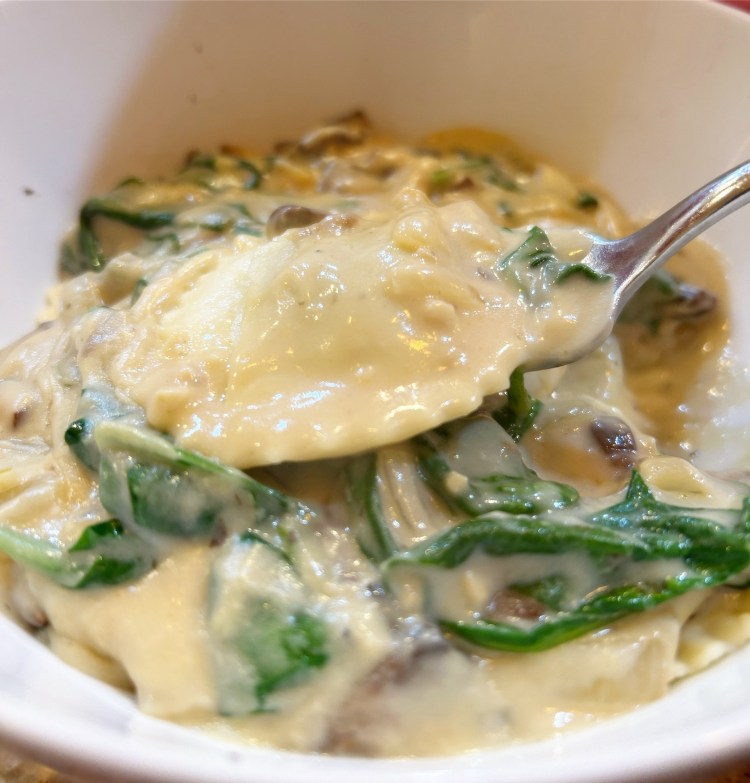
The sauce with onions, mushrooms, and spinach. The leafy greens are added after the sauce has cooked. Served over Trader Joe’s vegan ravioli. Photo by author.

Ingredients:

  • ¼ cup olive oil (can add a bit of vegan butter for flavor)
  • 1 T minced garlic
  • ¼ cup flour
  • 2 cups plant milk
  • Seasoning salt (Lidl)/onion salt (Trader Joe’s) to taste
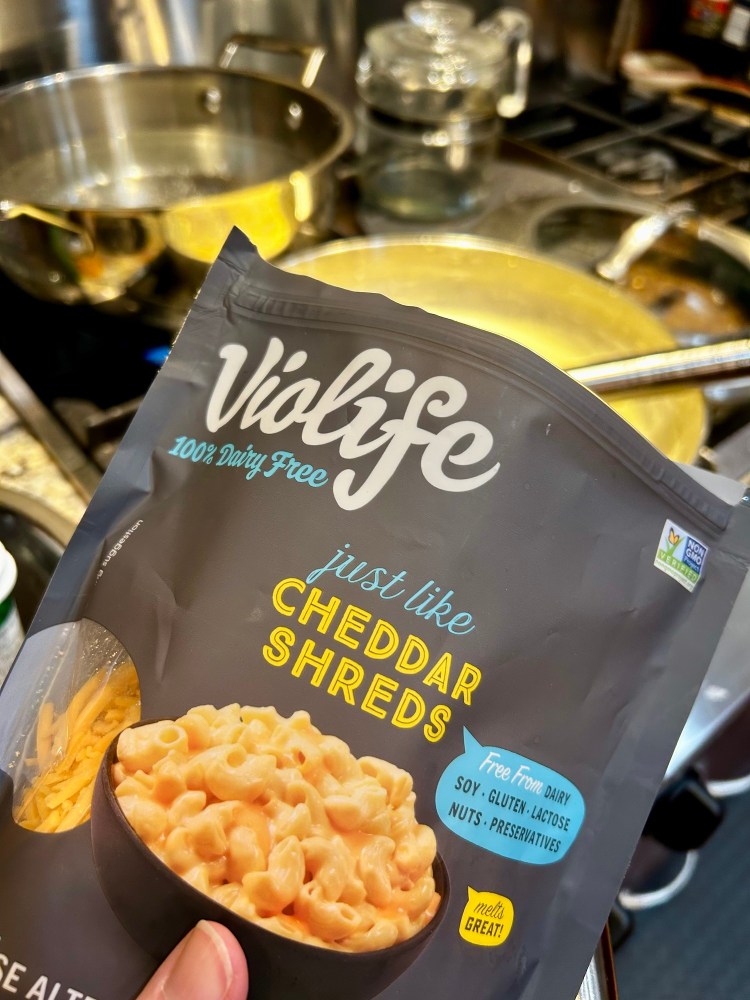
  • Handful of vegan cheese

In a large skillet, warm the oil/butter. If adding vegetables like onions and mushrooms, add them now along with the garlic. Once sauteed to your liking, sprinkle the flour over the mixture and combine. Begin stirring the plant milk into the mix, about ¼ cup at at time, until all is combined. Season to taste. Add a handful of vegan cheese (I like Vivo Life cheddar for macaroni and cheese, Kite Hill ricotta, or Vivo Life mozzarella for more of a traditional alfredo sauce. Your sauce should be thick enough to coat the back of a spoon. Cook your pasta according to the package directions. Drain and combine with the sauce. Makes enough sauce for 1 lb. of pasta.

Enjoy!

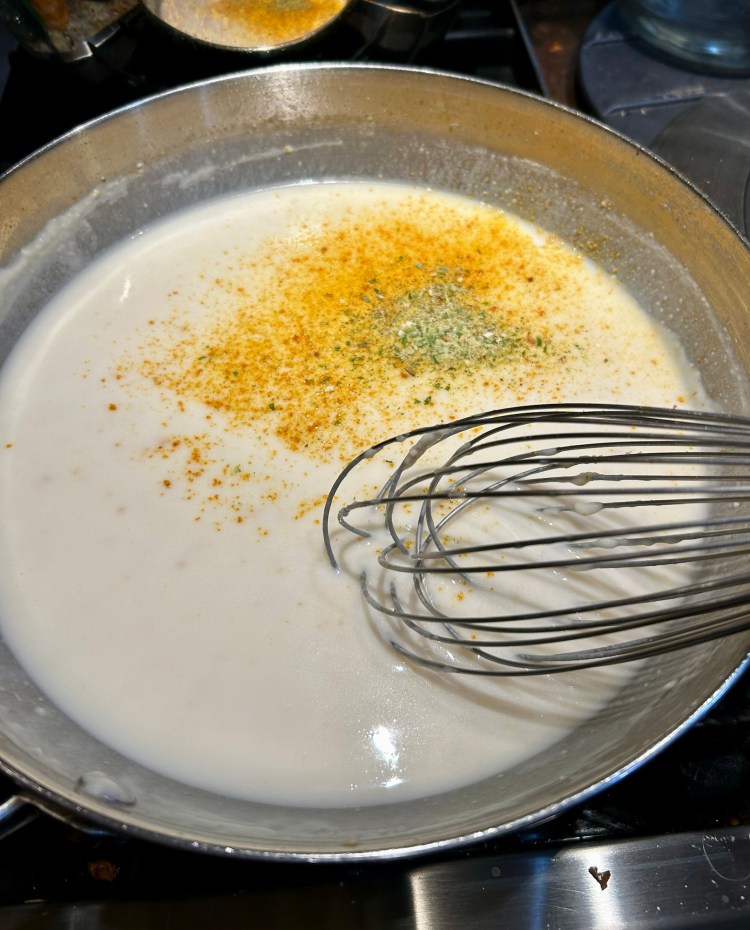
After combining the flour and fats to make a roux, add the plant milk slowly, whisking as you go to dissolve any lumps. Photo by author.
Season to taste. Photo by author.
Adding cheese. Photo by author.
The sauce should be thick enough to coat the back of a spoon. Photo by author.
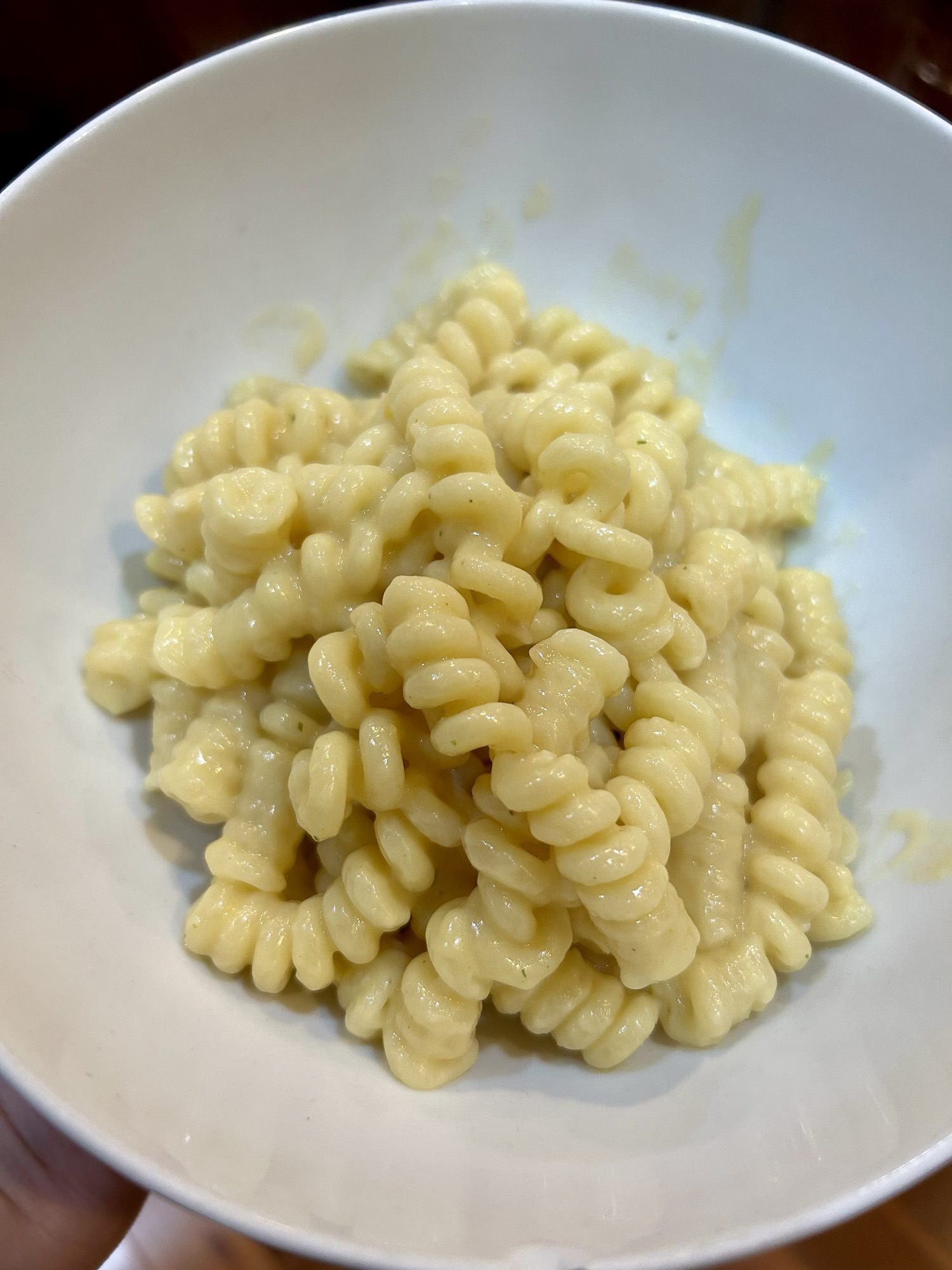
Finished sauce combined with pasta. Photo by author.

___________

Fellow vegans, do you miss cheese as much as I do? This sauce may be the cure for that craving! If you make this recipe, post about it on Instagram and tag me @annecreates.

As always I hope you all are safe and healthy. 
Have Your Runs Sucked Since Having COVID?

I have an interesting theory about that.

It might be the mitochondria in your muscles. 

As my brain ruminates to my days as an undergrad as a biology major, I shudder to think of the number of times I had to regurgitate the Kreb’s cycle on exams. This is the metabolic process your mitochondria use to make energy, and it’s pretty important. 

But what does it mean when your mitochondria aren’t working effectively? Well, it means that you can’t make energy as efficiently.

The latest research shows a correlation between COVID infections and mitochondrial damage. It’s not the first time research has linked continuing health problems to damage to these most precious organelles. Some studies show that traumatic brain injuries can cause damage at the mitochondrial level as well. 

So what does mitochondrial damage mean for running? 

The talk among my friends who run is fairly unanimous: running paces can slow by as much as a minute or more post-COVID. This is my reality following two bouts of the disease myself, despite being vaccinated and boosted. For some of my friends, the speed returned, while often, it didn’t. It happens frequently enough to take notice.

You may think this phenomenon has more to do with lingering damage to your lungs, as COVID is largely known as a respiratory disease, but that’s not the only havoc it can wreak in the human body.

In my practice as a physical therapist and treating patients recovering from COVID, I’ve noted a variety of impairments connected with the disease besides difficulty breathing. Patients with acute infection are often tachycardic, a fancy word for having a fast heart rate. And people who are already frail can be pushed into organ failure. COVID also affects your vascular system, causing blood clots that can lead to an amputation, heart attack, or stroke. Some people also suffer from benign paroxysmal positional vertigo, or BBPV, post-COVID. (Yes, I won this lottery, too.)

COVID is a multi-system disease, not just a respiratory illness. So if that’s not the reason why your runs are slower after recovering from the acute phase of the disease, what’s going on?

You aren’t lazy. It’s not just in your head. You don’t need to blame yourself. Blame your COVID-damaged mitochondria in your muscles. 

Mitochondria are the powerhouses of your cells, creating the energy we need to do things like run marathons. With these cell components not firing on all cylinders, the result is that we fatigue more quickly. This is the reason for the phenomenon of long-COVID fatigue and brain fog. 

A study in Amsterdam published in the journal on January 4, 2024, in Nature Communications seems to prove this theory. 

This was determined with muscle biopsies taken before and after exercise in post-COVID and control groups. This work showed the decreased activity in the mitochondria.

Please note that the study sample size was small, so these findings will require further investigation to prove this correlation, but the results are intriguing, nonetheless. 

Finally, we may have some real scientific evidence as to why some runners struggle post-COVID despite seeming to make a full recovery from the respiratory symptoms. 

Even if you don’t meet the criteria of disabling long-COVID, you can still suffer long-term consequences from the disease. My evidence is circumstantial, but I think this warrants future study. It’s frustrating as a runner to experience this phenomenon, but maybe we only notice because we ask so much from our bodies. 

___________

If you exercise regularly and have recovered from COVID, have you experienced greater difficulty in exercise performance and ease of recovery from your workouts? I’d love to hear about your experiences.

As always, I hope you all are safe and healthy.

It’s Time to Play!

Why adults should make time for meditative art

I’ve been allowing myself time to play. Play? Yes. Play. 

I’m a serial craft addict, and I do fall in love hard and fast for new creative outlets. I’ve done photography, which led to scrapbooking and even better photography, tie-dye art, mixed media canvases, jewelry making, yarn weavings… the list is long. 

As a child, I learned to occupy myself through various craft projects, making art out of seemingly nothing. I built an entire mini house out of balsa wood and decorator’s sample books. I routinely made sculptures from a material of my own creation: dried Elmer’s glue with crayon shavings mixed in for color. 

In recent years, crafting has taken a backseat to running and writing, both of which have their meditative benefits. 

One of the problems with modern society, especially in the U.S., is this shift to hustle culture. We are so trained to be productive that any time spent on non-work endeavors should still have a purpose, and if it’s art, we should make money from it. 

The pressure to make money sucks the joy from most creative endeavors. What happened to making art just for fun, just like when we were kids? 

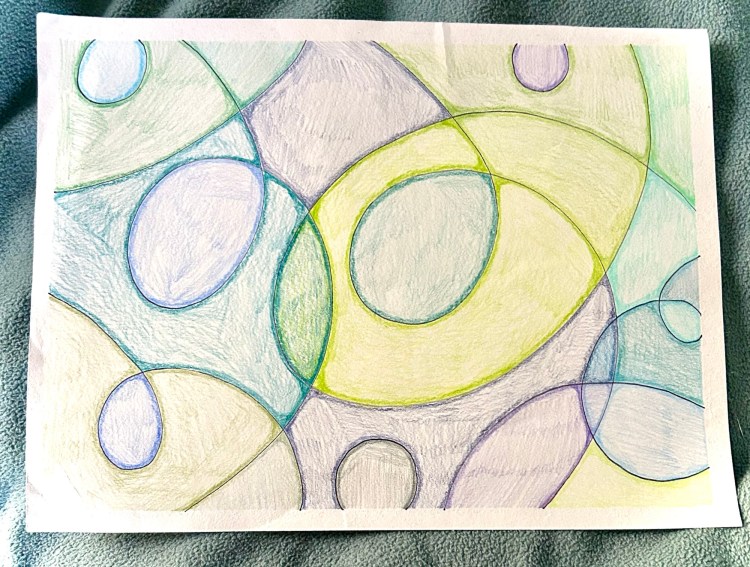
My time in PTSD rehab included art classes. Not art for technique, but meditative art. Art for fun. This was definitely a new concept for me. It’s not that I haven’t known art to be relaxing, but making art just to create for yourself and as a means of reflection is novel. 

An example of meditative doodle art I made in therapy. No purpose except to get lost in the process. Photo and art by author.

Our art therapist encouraged us to keep an art journal. You can use it to doodle or experiment with various mediums and techniques. It can become another adjunct to formal therapy. It doesn’t have to be anything fancy. I picked up a nice one at 5 Below. Keeping a journal allows space for imperfect art; a place to practice new mediums and techniques without the pressure.

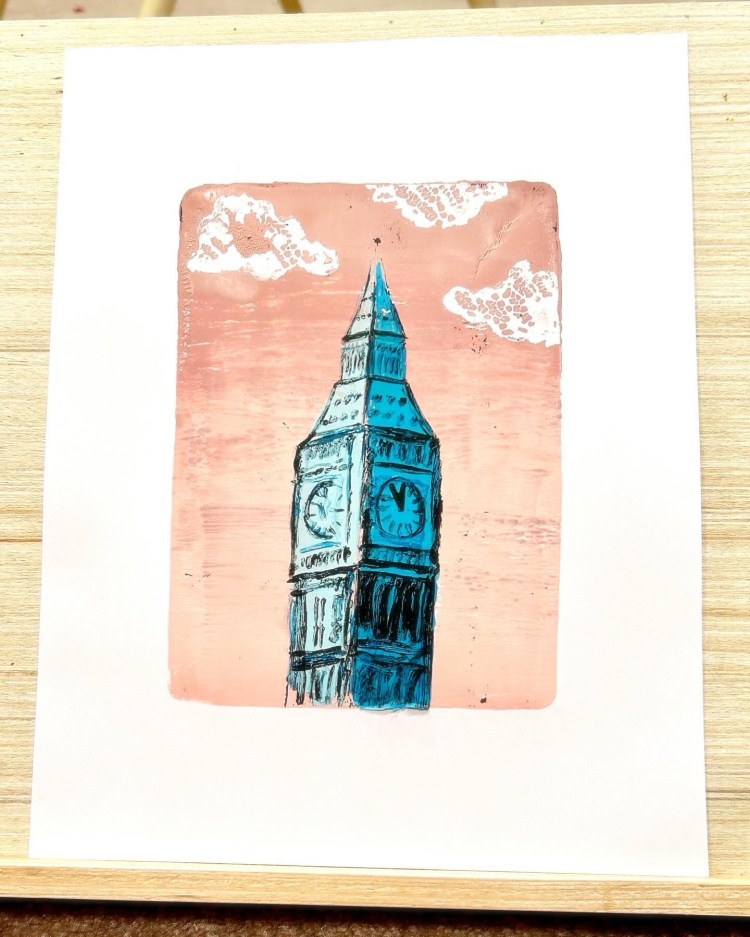
A gel print I made based on one of my photos from London of Big Ben. Art and photo by author.
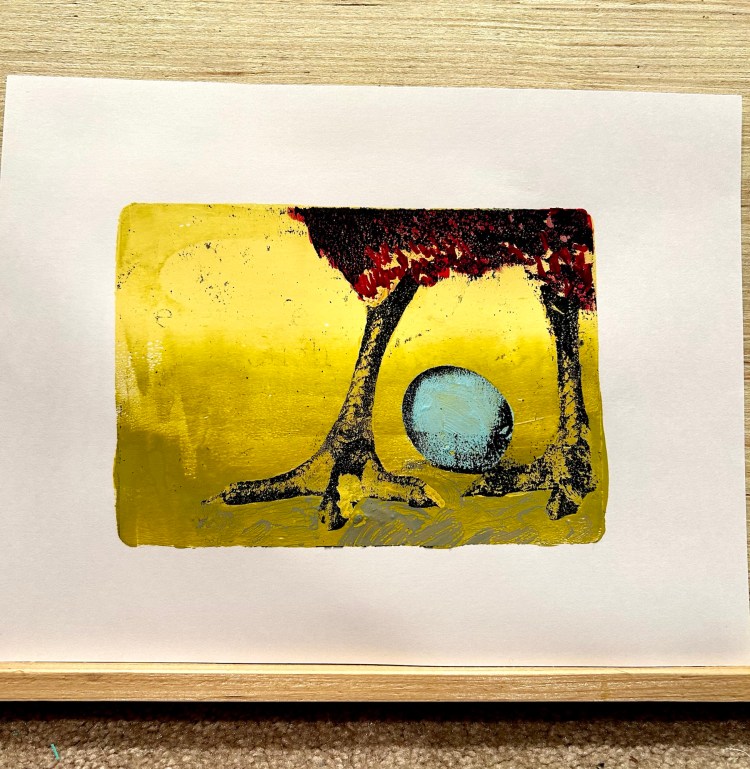
Image taken from a magazine ad with color added. Art and photo by author.
Another print pulled from a magazine ad and painted. Art and photo by author.

My latest art obsessions? Gel printing, photo transfers, and watercolor. I could watch videos about these for hours!

The gel printing is my current favorite. You can transfer magazine images or laser print copies of your own photos to the gel plate and add paint. It’s also fun to experiment with different stamps and textures. As a recovering scrapbook addict, I have so many tools to use. 

In my research of techniques for gel printing, I also fell down the rabbit hole of photo transfers using inkjet photos. I have a treasure trove of photos from London I’m working with right now, lending a fun edge to these memories. 

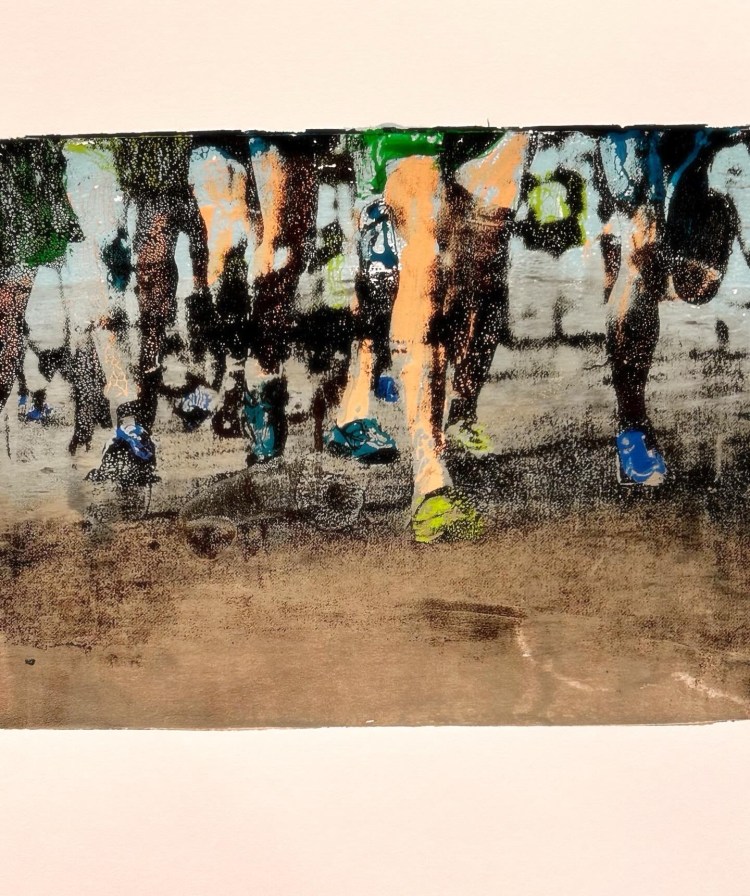
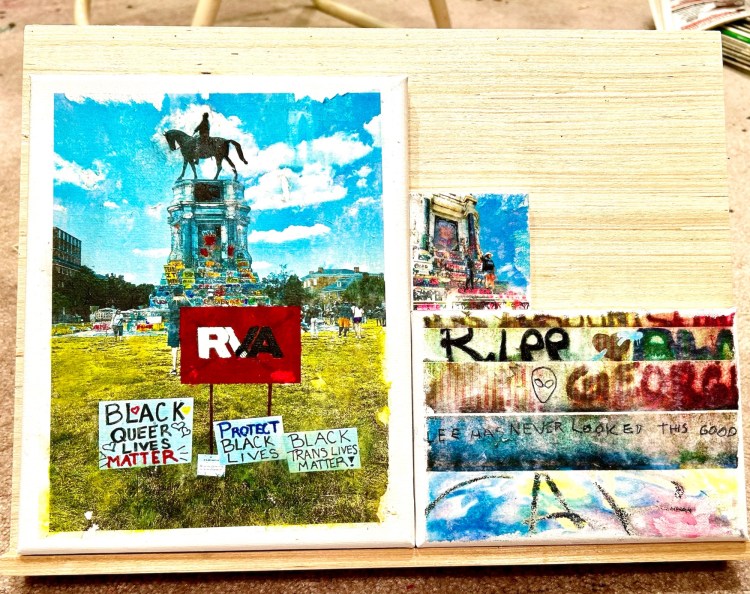
A collection of photo image transfers I made with photos I took during the George Floyd protests in Richmond. Art and photos by the author.

Getting lost in artwork when I’m stressed seems to help me relax, which is the point of the endeavor entirely. 

For those of us whose minds stay so busy that the thought of sitting on a fancy pillow, legs crossed, and faced with immense quiet is unsettling. This is why I choose more active meditative practices like running and art, both of which serve as a distraction and also a way to magically gain clarity in my thoughts. I often come up with the best ideas for writing while running or painting!

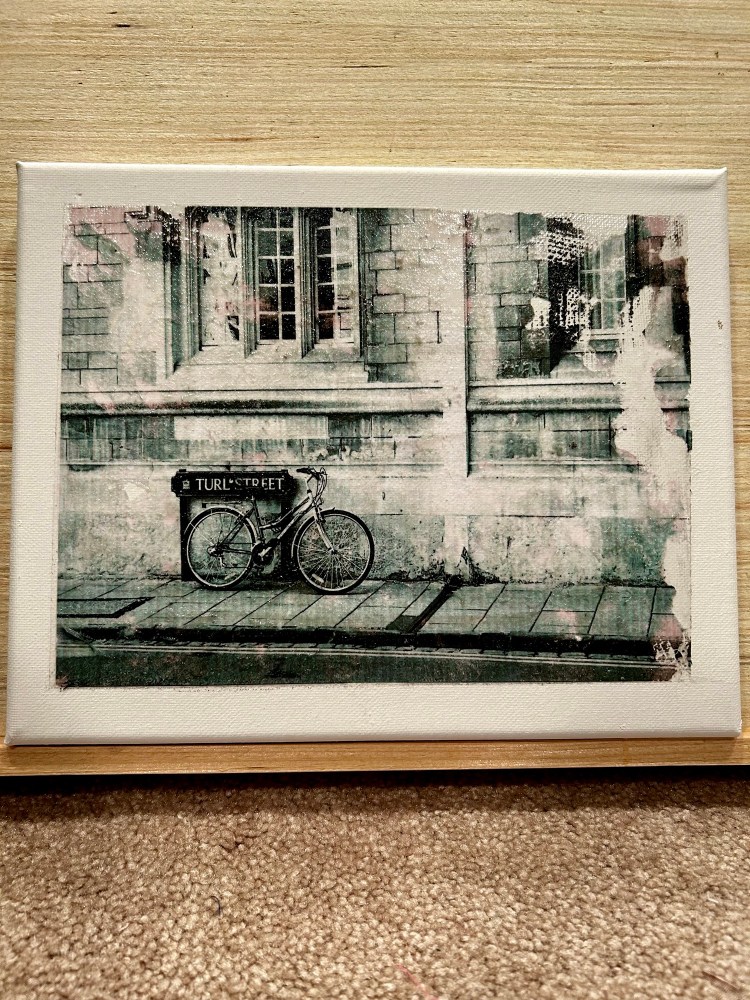
Another photo transfer of a picture I took when in Oxford in the UK. Art and photos by the author.

Meditative art is meant to clear your mind. It’s not meant to be another source of perfectionism. It can be as simple as doodling or as complex as a painting. The point is to get lost in the process, let the work flow, and have fun.

All you really need to get started on this journey is some paper, pens, or pencils, and some form of color, whether it’s markers, colored pencils, or paint. Color isn’t necessary, but plain black and white can be boring. Color makes me happy. 

Don’t get bogged down with “making art.” Let your mind just go, as if you are letting your tools express what’s on your mind. The process can feel weird at first, but it gets easier as you learn to forgive your imperfections and just have fun. 

But don’t just take my word for how fun and relaxing tapping into your creativity can feel. Very Well, Mindful Art Studio, and The Art of Mental Health all have good information about the hows and whys of this practice.

Life is stressful. We must give ourselves permission, time, and space to play and be creative as an outlet for our emotions. In a world of pressure to conform, be a rebel and unlock your inner child!

___________

Lead photo is a drawing/painting I created in therapy. It is a manifestation of an image I imagined during trauma processing work.

Do you like to meditate or make art? Have you ever practiced mindfulness while creating? I’d love to hear about it!

As always, I hope you all are safe and healthy.
I Thought Governor Abbot Was Going to Get Rid of Rape in Texas

Let’s look at the numbers, shall we?

Did you read the new study that was just published in The Journal of American Medicine about the incidence of pregnancies resulting in rape in red states that no longer allow abortion after the repeal of Roe vs. Wade? The numbers are staggering. 

In Texas alone, where Governor Abbott declared that the simple solution to avoid unwanted pregnancies due to rape or assault was that he was going to abolish rape in the state, there have been over 26,000 pregnancies resulting from rape since the Supreme Court’s decision. The numbers prove he failed miserably

It’s one thing to state that you are going to try to eliminate rape, but it’s quite another to implement strategies to do so. And what has Abbott done? Well, nothing, really. Simply speaking something into the universe won’t make it happen. You have to have a plan.

The numbers are so high that it makes me wonder if the $10,000 bounty in reporting aiding abortion has created an incentive for men to assault women. I mean, think about it. A man rapes a woman, gets her pregnant, and the criminal stalks her for signs that she is pursuing an abortion. He reports her and, voila, he makes bank because he committed a crime. And she is literally paying the price. 

Yes, I’m aware that the Texas bounty law, SB 8, which also outlaws abortion after 6 weeks before many women detect pregnancy, prevents convicted rapists from reporting their victims. The key word here is convicted. And who is to say that they don’t get one of their buddies in on the deal?

Although I can’t find any evidence to support this frightening possibility, I am not the only author who has concerns about this theory. The main way abortion is reported currently is via healthcare providers. People who can get pregnant should also be mindful of their digital footprint, as it can be used to prove that they are seeking an abortion.

Astonishingly, Texas alone accounts for nearly half of the total number of over 65,000 pregnancies resulting from rape in states where access to the procedure is illegal now that Dobbs has been decided. And that’s just the cases that were reported. 

According to RAINN, the total number of completed rapes each year in the United States is over 460,000. One in 6 women in the U.S. has been a victim of rape or attempted rape. Do the numbers surprise you? I’m shocked that it’s not higher.

As a survivor myself, I am a member of a rather large sorority. My time in trauma treatment was enlightening, as most of the women I encountered also had sexual assault as part of their story. 

If men think taking ownership and power over a woman’s body is simply something we can “get over,” they are wrong. The experience is excruciatingly traumatizing. And forcing women to carry out pregnancies imposed upon them is simply cruel.

I can’t imagine enduring a physical attack on my body and then being forced to carry the spawn of my rapist. I don’t know if I could survive such an injustice. Yet this is the life for thousands of women in the U.S., and only since abortion rights were revoked. 

If that wasn’t bad enough, the quality of maternal care in the U.S. trails significantly as compared to other Western nations. Even worse, maternal mortality rates in the U.S. are rising, not improving, with 24 deaths per 100,000 births reported in 2020, with non-white mothers suffering the most. Note that this increase occurred prior to the Dobbs ruling. One can only speculate that now that abortion isn’t necessarily a given right if a woman’s life is in danger due to pregnancy that these numbers will climb further.

If you thought that the Dobbs decision wasn’t going to be that big of a deal, you were wrong. If you think your state is exempt from the possibility of outlawing access to abortion because you happen to live in a blue state, your rights are more precarious than you thought.

I live in Virginia. The only thing keeping our Republican governor from accomplishing his goal of passing a 15-week abortion ban is our Democratic majority in the state house. The veil of protection is thin.

2024 is a pivotal year in our democracy. We have to protect our right to access full reproductive healthcare.

People with uteruses are not breeders. We are human, contributing members of society. Bodily autonomy is a basic human right. Denying people this right means that our government deems us less than human. 

Vote to protect human rights, not to send us back to the 1950s. 

___________

Have you heard about this study yet? I first became aware of this by listening to a story about it on NPR. My heart aches for all of these assault survivors who didn’t ask for this. 

As always, I hope you all are safe and healthy. 
Technology Needs to Mind Its Business

Stop being so nosey!

Did you set New Year’s resolutions? For the first time in years, I did not. After a couple of years in a row which were truly awful, I thought I deserved a break from high expectations of myself for once.

My technology, on the other hand, did not get the memo.

Let’s start with my watch. I wear a Garmin Forerunner 230, which is relatively primitive compared to recent models of running watches. This little shit will buzz at me every 30 minutes to move. I could have just sat down after running a marathon, and off it goes, chastizing me for my laziness.

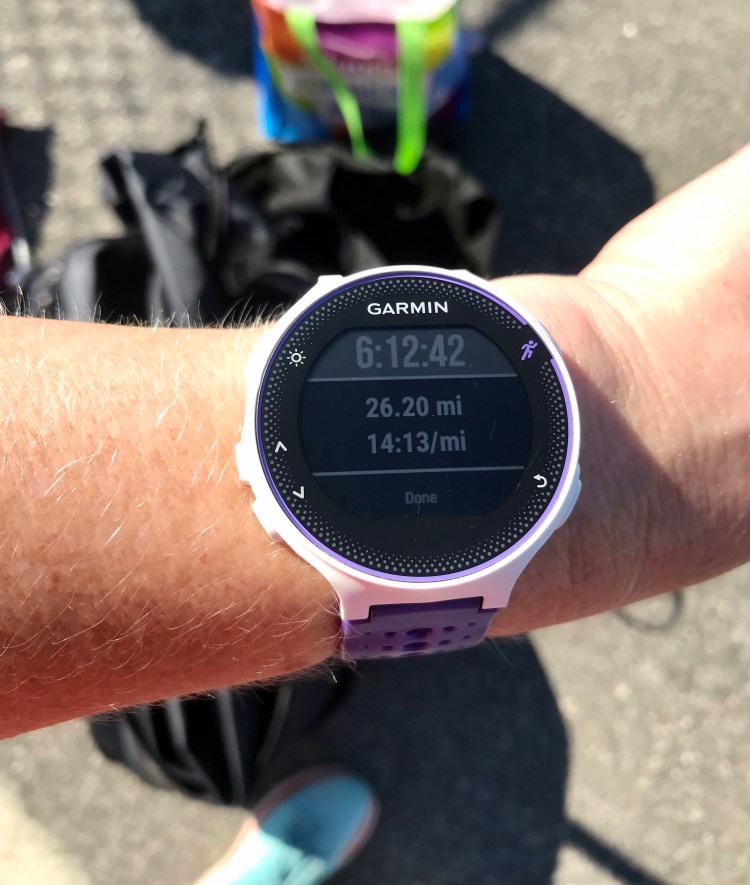
My Garmin Forerunner 230 after documenting one of my virtual marathons. Photo by author.

My phone is its own special nark. It calls me out on my conversations and Google searches. It’s listening. Always listening…

It’s amazing what our phones pick up on. Whatever it is that I was just talking about? The product pops up in an add on social media. 

My younger daughter especially loves to play this game to trick your device to show you racey ads by repeating phrases like “HOT PINK DILDO” into your phone. And, yes, I did get some rather interesting ads. Sigh. The minds of older teenagers these days!

Once, I was cleaning out my pantry. I didn’t even speak items I tossed into the universe, but Facebook popped up an add for fish fry that I’d thrown out. Creepy. 

If that’s not enough, my phone possesses multiple apps to remind me of my lack of productivity with movement. The Apple fitness app, thankfully absent from my previous and truly primitive iPhone 7, is an ever present intruder on my new iPhone 14. It keeps nudging me to close my fitness rings, whatever that’s about.

And the reason why I was pushed to get a new phone to begin with? My insurance company has its own fitness app where you can earn money for meeting walking goals throughout the day, including a 30 minute intense workout, 6 walks per day of at least 5 minutes, and a bonus dollar for reaching 10,000 steps per day. And who decided on that magic number, anyway? It’s as useless as the BMI, a stupid marker of fitness created by a physicist. 

The app was not compatible with my ancient iPhone 7. 

My husband has been so obsessed with earning the maximum $3 per day that he paces endlessly around the house. It makes me feel super anxious!

And anxious is something I’m trying to avoid at all costs.

Why put too much pressure on myself at this time in my life? I spent most of my fall in crisis. I deserve a break.

I’m super tired of the hustle culture we have created in the United States. I’m just done. Maybe going through a midlife crisis perpetuated by crimes committed against my family has pushed me over the edge of not caring about it anymore. 

Sure, I’m putting on weight. I’m not obsessively exercising. And I’m also not denying myself dessert. And I’m growing the cutest little pot belly. I’m certain that my husband finds it attractive.

Last January, despite the sudden death of my father right after Christmas, I made good on my promise to myself to participate in dry January in addition to a run streak. I was very disciplined. But I was also a bit burned out at the end. February could not have come soon enough.

This January, my family is facing another loss of my husband’s aunt. She’s currently in hospice care. Never married, my husband is the closest thing she had to having a kid of her own. My mother-in-law will have lost both her husband and her sister in just over a year. That’s a lot. 

Yes, that’s correct. 3 deaths in our family in just over a year. 

Without all of my time spent exercising, what exactly am I doing with my time? I’m making art, reading, and writing. There are different ways to fuel my soul other than time on my feet and pounding the pavement. 

I’m also taking the time to organize some long-neglected spaces in my home, including my library. My bedroom used to be my favorite place to sit and read or write, but since that happy place was invaded by a bullet shot by my neighbor, I couldn’t sit in our sitting area and feel safe anymore. It is what it is. My library is my current happy place. 

I also thought that by giving my body a break from exercise, I would also have a break from feeling constantly sore. Unfortunately, this has not been the case. I have just as many aches and pains “resting” as I do exercising on a regular basis.

The constant battle with my body is exhausting. It’s bad enough that my brain betrayed me post-trauma, but my body is also betraying me, as my right hip haas been a little bitch for the past two months. Why can’t my body relax and revel in the time I’ve given it to rest?

You would think that with all of the running I’ve done in the past 10 years, logging 10 marathons and one 50k in the process, plus all of the training that goes into those races, that my body would enjoy the break.

One day I will get back to running and working out. I know I will. But I’m also enjoying this bit of a break I’m giving myself, exploring other avenues for meditation. I need it. 

_____________

Did you make any resolutions for the new year? If so, how are they going for you? I’d love to hear about it!

Remember that it’s ok to slow down and enjoy life every once in a while. Life is short, and the world is terribly unfair. Carve out your joy wherever you can. You deserve it.

As always, I hope you all are safe and healthy. 

Living in Hypervigilance is a Special Version of Personal Hell

Trauma Changes Everything

A deer roams in our backyard. The doe is stunning. And as she carefully surveys her surroundings, she signals for her babies to follow. They emerge from the woods, keeping close to Mama, their white spots indicating their infancy. 

They begin to pillage the green leaves emerging as spring has possessed the landscape. Attracted to the tender new growth of our azalea bushes and hostas, these are tasty treats for them. 

I gently open the back door to take a closer look at this cute family. Mama pops her head up in alert, staying still, and listening intently. She sniffs the air and senses my presence. One of her ears twitches. Despite my best intentions, she reads me as a threat. Her white tail rises, and all three suddenly bolt back into the safety of the dense forest behind the house.

Fight or flight. Animals seem to live in this constant state, forever some other creature’s potential prey. They must to survive, right? I can’t imagine living like that.

But in reality, I already do. 

Humans who have survived trauma can also exist in a constant state of fight or flight. It is in this way that experiencing trauma can permanently alter the brain.

How can anyone actually survive like this? It’s simple. Just like people with persistent pain learn to live with discomfort, those who are living with PTSD or cPTSD learn to tolerate a baseline level of anxiety.

I wasn’t aware until I underwent intensive trauma rehab how hypervigilent I had been my entire life. I thought it was just a normal state of being. 

Do you know what this is like? If you always think you will be in trouble for something, if you walk on eggshells around certain people, if you take time to read the room carefully before acting, and if you feel responsible for the behavior of others toward you, you may be a trauma survivor. 

As I learned in rehab, there can be big traumas (Big T trauma) or small traumas that accumulate over time (Little T traumas). And the unluckiest of humanity experience both, and in multiples. 

Big T traumas are the obvious: molestation, rape, suicide or murder of a loved one, surviving a natural disaster or war. Big events like that. These events can cause PTSD (post-traumatic stress disorder). 

Little T traumas are more nefarious: bullying by your peers, parents who are overly critical or helicopter, or having to become a caregiver early in life among others These are the little jabs that accumulate over time and shape your daily thought processes. These can cause cPTSD (complex post-traumatic stress disorder). 

I often contemplate if wild animals feel burdened by hypervigilance. And what about those animals raised for human consumption? Surely these creatures feel the effects of this stress. 

When I go for a walk or run and encounter a bird or some other beautiful creature, I want to stop and watch them, but they almost always run away. Who can blame them?

They are obviously scared and have no idea I wish them no harm. But what must it be like to live in a constant state of readiness to flee?

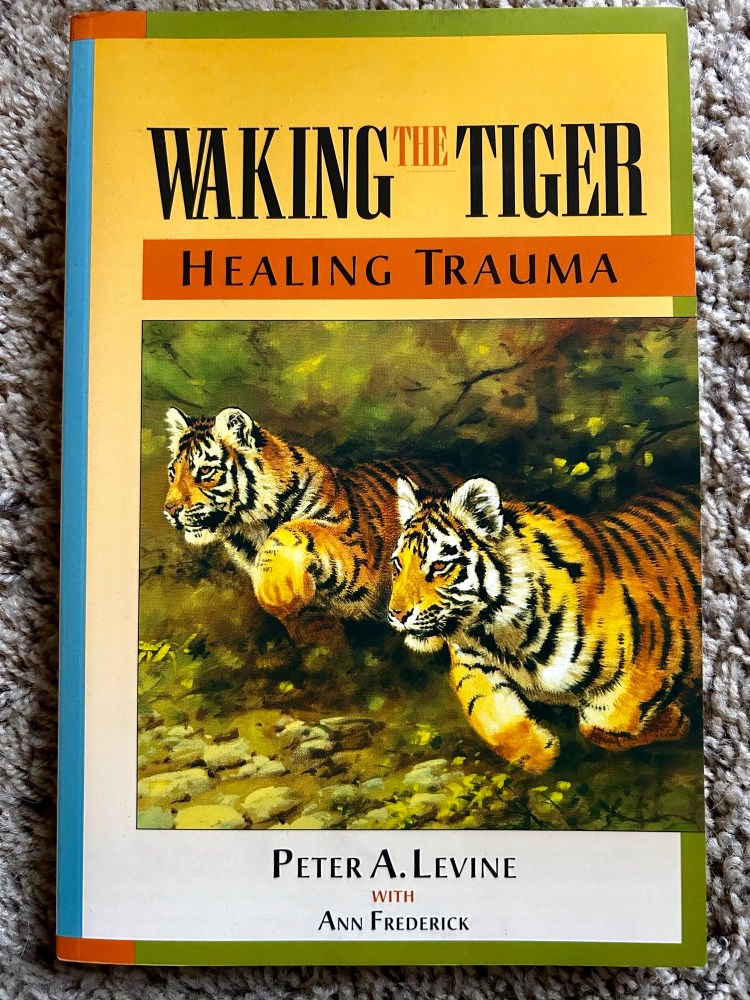
Reading the book Waking the Tiger: Healing Trauma by Peter Levine, Ph.D.,  I learned something different. He did not confirm my hypothesis. He explained that animals lack the reasoning brain of humans; the part of our brain that keeps the score, so to speak.

When a human experiences a traumatic event, our reasoning brains work hard to protect us. Sometimes we never move out of a state of panic after the event; our brains are permanently altered. 

Post-trauma, we can get stuck in our own special version of hell, with our nervous systems on high alert and living our lives in survival mode.

Captive animals, like our beloved dogs and cats who are well taken care of, typically live longer than their wild counterparts. Of course, multiple variables contribute to this trend, but I can’t help but think that the lack of cumulative stress of worrying about predators or finding food helps improve their longevity. 

Imagine what it would feel like to have all of your needs met, feel true safety in your environment, and never suffer abuse or hunger. This is the life of my pets, anyway.

Now imagine a different life as a captive animal raised for consumption. 

You are a chicken or a pig or a cow, and your best friend has been yanked from the herd or flock. You have no idea where they went, but you realize they never return. 

Imagine that creature is taken from their family and friends, perhaps from horrid conditions, now find themselves crammed into a small shipping cage with other animals like them, and they are scared, jostling around on the back of a truck, and exposed to the elements.

It might be summer and super hot. It might be winter and bitterly cold. It may be wet from rain. They may die on their way to slaughter. But maybe they survive, get to their final destination, and suddenly realize what is happening. 

They smell blood. They sense fear, and they absorb the signs of death. 

They may cry as they make this realization. Fight or flight is king. 

The only recourse for these ill-fated creatures is that their brains will push them into freeze mode at the end, the brain’s way of shielding us from suffering. 

People do this, too. Have you ever heard a survivor of sexual assault talk about staying still and doing nothing in the face of their attacker? Their brain tried desperately to keep them from feeling the pain, literally paralyzed by fear. Just as an antelope goes limp in the jaws of a lion, a victim of assault can unintentionally surrender to what her brain deducts will be her fate. 

Freeze mode, a reaction from the more primitive parts of our brain, is just as protective as fight or flight. 

While animals can resolve the stress of immediate danger and move on, humans can trap these feelings and hold onto them forever, pushing them into deeper levels of our minds, just waiting for a trigger to pull them up to the surface. 

“Although we rarely die, humans suffer when we are unable to discharge the energy that is locked in by the freezing response. The traumatized veteran, the rape survivor, the abused child, the impala, and the bird all have been confronted by overwhelming situations. If they are unable to orient and choose between fight or flight, they will freeze or collapse. Those who can discharge that energy will be restored. Rather than moving through the freezing response, as animals do routinely, humans often begin a downward spiral characterized by an increasingly debilitating constellation of symptoms.”

Peter A. Levine, Waking the Tiger: Healing Trauma

Peter Levine, Ph.D., proposes that we can overcome deeply embedded trauma through some rather unconventional methods, and he is a senior fellow of the rehab facility where I was treated. 

My copy of Dr. Levine’s book. Photo by author.

I have now undergone somatic experiencing therapy along with EMDR (eye movement desensitization and reprocessing) and ART (accelerated resolution therapy). The purpose of these is to revisit the scene of the trauma, replay them, and reframe the ending of these stories. In a way, you are consciously playing out scenarios in your mind and creating better, more advantageous outcomes. A sort of finalization and resolution of any ruminating thoughts you may have about the event, and discharging all of the emotion related to it. 

For someone riddled with anxiety and ruminating thoughts, it seems like a rather indulgent and counterintuitive exercise. But for some reason, having someone guide you through the process and actually reach a point of closure does seem to help. 

The pain of trauma can lead people to some rather destructive ways to cope, including substance and process abuse. This is why it’s so important to get help. And no matter what your brain tries to tell you, you deserve to heal.

___________

If you have survived trauma, don’t wait to get help. The sooner you face the demons after the event, the better tools you will have to deal with it. No one deserves to be miserable. And most miserable people you meet have buried an extraordinary amount of trauma in their souls. 

Children in public schools can usually get help through school counselors.

Young adults in college can typically get these services for free through campus counseling. Both of my college-age kids take advantage of this.

If you work, most employers have short-term counseling services available through an EAP, or Employee Assistance Program. This is a great place to start.

Get the help you need. It’s worth it. You deserve it. Stigmas, be damned.

As always, I hope you all are safe and healthy.